
Public
The evolution of gambling A deep dive into its historical roots
The evolution of gambling A deep dive into its historical roots
The Origins of Gambling
The practice of gambling can be traced back to ancient civilizations, where it served not only as a pastime but also as a significant cultural element. Evidence suggests that the earliest forms of gambling emerged in China around 2300 BC with games involving dice. These early games were often tied to rituals or military strategies, reflecting the dual nature of luck and skill in human society. In today’s world, you can find exciting options such as new android casinos that add a modern twist to traditional gaming experiences.

As civilizations evolved, so did the methods and formats of gambling. The Romans and Greeks embraced gambling as part of their leisure activities, incorporating it into their societal fabric. For instance, dice games became popular among soldiers and citizens alike, creating a common ground for social interaction. This set the stage for gambling to be viewed as both entertainment and a gamble on fortune.
The Rise of Gambling in the Middle Ages
The Middle Ages marked a significant transformation in gambling practices, with card games emerging as a popular form of entertainment across Europe. The introduction of playing cards, believed to have originated from China, spread rapidly, leading to the establishment of various games that would lay the groundwork for modern card games.
During this period, gambling also became associated with social class structures. Nobles often hosted elaborate gambling events, while commoners participated in simpler games. This stratification reflected the broader societal norms of the time, where gambling was both a social activity and a risk-driven venture that could lead to fortunes or ruin.
The Birth of Modern Gambling
The 17th and 18th centuries witnessed the evolution of gambling into a more structured and regulated activity. The establishment of state-run lotteries in Europe marked a turning point, as governments began to recognize the potential for generating revenue through gambling. These lotteries not only funded public projects but also gained popularity among the masses.
Simultaneously, the rise of casinos in Italy and France transformed gambling into a more formalized affair. The emergence of establishments dedicated to games of chance created a distinct culture around gambling, fostering a sense of community among players and attracting the affluent. This period set the stage for the luxurious casino experiences we see today.
The Impact of Technology on Gambling
The 20th century heralded significant technological advancements that reshaped the gambling landscape. The invention of slot machines in the late 1800s revolutionized the gaming experience, making it accessible to a wider audience. These machines, simple yet captivating, paved the way for the establishment of casinos as entertainment hubs.
As technology progressed, the advent of the internet in the late 20th century brought about a seismic shift in how gambling was conducted. Online casinos emerged, allowing players to engage in their favorite games from the comfort of their homes. This digital transformation has redefined the gambling experience, introducing new formats, payment methods, and a global player base.
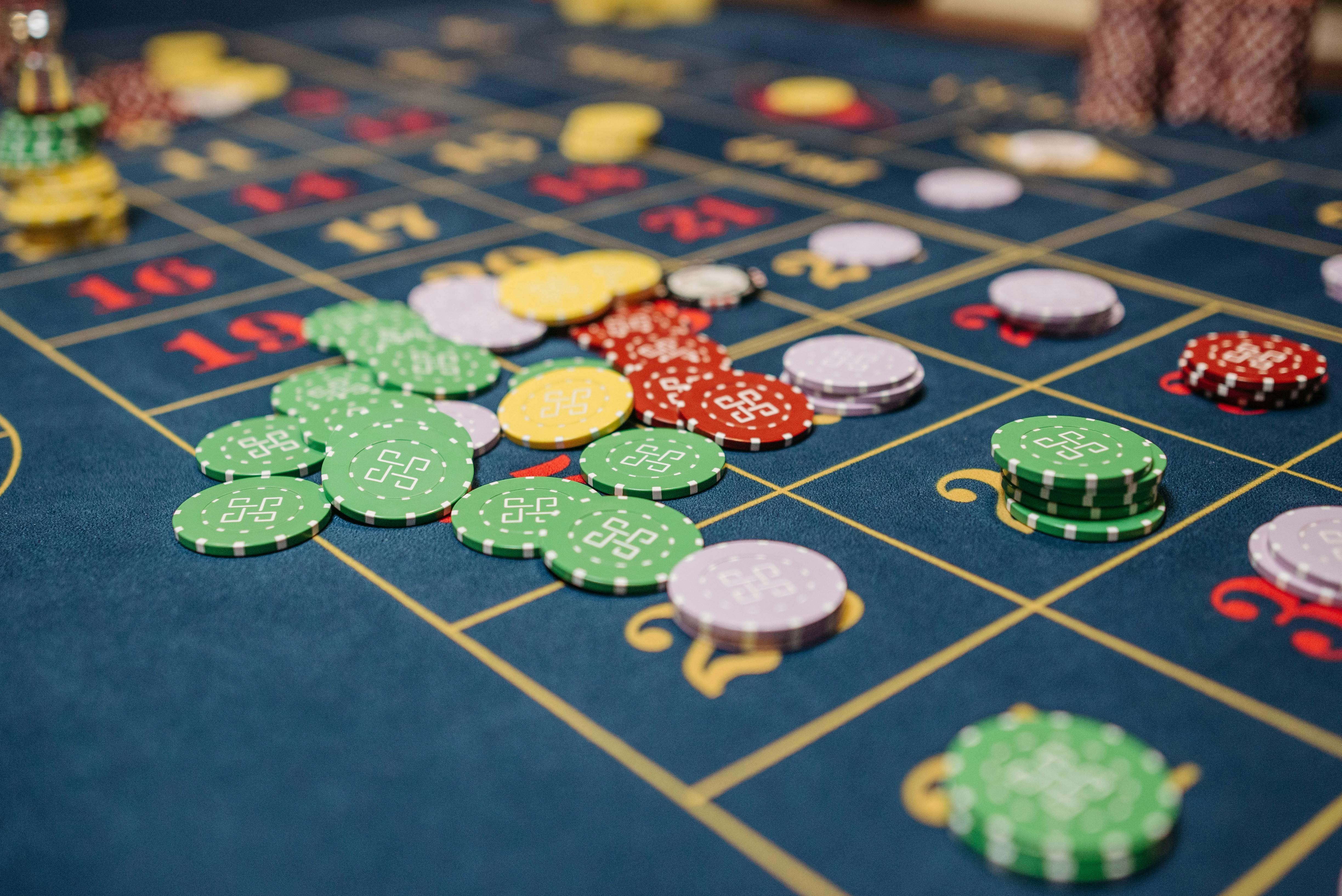
Your Gateway to Modern Gambling
As we navigate the rich history of gambling, it’s essential to understand how contemporary platforms have emerged. Our website serves as a comprehensive guide, offering insights into the latest trends and technologies in the gambling world. Whether you’re interested in online casinos or traditional gaming establishments, we provide valuable resources to enhance your experience.
Join us as we explore the vibrant landscape of gambling today. With expert reviews and detailed analyses, we empower players to make informed choices, ensuring a safe and enjoyable gaming journey. Dive into the past and discover how it informs the exciting future of gambling!
